Technographic Data
The Best Technographic Data Providers in 2026
Last Updated: July 22, 2026 | Editorial Team
Quick Answer: To choose a technographic data vendor in 2026, evaluate four things’ data freshness (how often records are verified), coverage depth (how many technology categories are tracked), compliance posture (GDPR, CCPA readiness), and integration support with your CRM or MAP. Providers who rely on real-time web crawls plus human verification consistently outperform those using static datasets.
Best Technographic Data Providers in 2026
Here’s how the leading platforms compare across accuracy, coverage, and CRM fit.
| Platform | Primary Focus | Data Accuracy | Tech Coverage | Refresh Rate | CRM Integration | Best For |
|---|---|---|---|---|---|---|
| ZoomInfo | Broad B2B intelligence suite | High | Very broad | Moderate | Native | Large enterprise teams |
| HG Insights | Enterprise IT technographics | Very high | IT-focused | Regular | Salesforce native | Enterprise tech vendors |
| Bombora | Intent + technographic overlay | High | Moderate | Frequent | Via partners | Intent-driven ABM |
| Cognism | Contact data + compliance | High (contacts) | Moderate | Frequent | Native | Compliance-first teams |
| TechTarget | IT buyer intent + tech profile | High | IT vertical only | Regular | Native | Enterprise IT vendors |
| BuiltWith | Web-based tech detection | Moderate | Frontend only | Periodic | Manual export | Digital-first / e-commerce |
| Clearbit (HubSpot) | Data enrichment | Moderate | Limited | Real-time | HubSpot only | HubSpot-native teams |
| Datanyze | SMB technographic prospecting | Variable | Basic | Slow | Limited | Small teams / SMB |
| Owler | Company intelligence / news | Low (techno) | Surface only | Periodic | None | Early-stage research |
1. ZoomInfo
Massive, trusted database with technographics bundled into a much larger contact/intent platform.
Best for: Large enterprise teams already committed to the ZoomInfo ecosystem.
Watch out for: Expensive, inflexible contracts, and freshness can lag for smaller companies outside the Fortune 5000.
2. HG Insights
Deep enterprise IT intelligence -cloud adoption, infrastructure, and software spend modeling.
Best for: Enterprise sales teams targeting large accounts with complex tech stacks.
Watch out for: Opaque, enterprise-only pricing. Overkill for SMB-focused teams.
3. Bombora
Intent data first, with technographic signals layered on top for context.
Best for: ABM and demand gen teams running intent-driven outreach.
Watch out for: Not a standalone technographic source -works best as an overlay.
4. Cognism
Known for phone-verified contacts and strong GDPR/CCPA compliance credentials.
Best for: Sales teams prioritizing contact accuracy alongside technographic targeting.
Watch out for: Technographic depth isn’t the primary strength -better as part of a broader data stack.
5. TechTarget (Priority Engine)
Combines intent data with tech profiles, strongest in IT and cybersecurity verticals.
Best for: Enterprise technology vendors targeting IT decision-makers.
Watch out for: Narrow vertical focus -thin coverage outside IT/tech sectors.
6. BuiltWith
Crawls public-facing websites for CMS, e-commerce, and analytics tools.
Best for: Marketing teams and agencies targeting digital-first businesses.
Watch out for: Only sees the public web -blind to backend systems and internal SaaS tools.
7. Clearbit (now part of HubSpot)
Enrichment tool for teams already living in HubSpot.
Best for: HubSpot-native teams wanting automatic firmographic/technographic enrichment.
Watch out for: Coverage gaps outside major metros and mainstream verticals.
8. Datanyze
Lighter, budget-friendly technographic layer since its acquisition by ZoomInfo.
Best for: Small sales teams doing SMB prospecting on a limited budget.
Watch out for: Coverage and refresh speed have declined post-acquisition.
9. Owler
Company intelligence and news tracking with light technographic data layered in.
Best for: Early-stage teams doing manual research or competitive tracking.
Watch out for: Not a reliable primary source for real technographic targeting.
How to Choose a Right Technographic Data Vendor in 2026
In B2B sales and marketing, knowing what technology a prospect already runs can cut qualification time in half. A company using Salesforce is a different conversation from one using HubSpot. A prospect on AWS versus on-premises infrastructure signals a different buying stage entirely. That is the promise of technographic data and in 2026, there are dozens of providers selling it.
The problem: the data quality gap between providers is wider than most buyers realize before they have already signed a contract. This guide walks you through a practical evaluation framework, so you are comparing the right things when selecting a reliable technographic data provider for your sales and marketing strategy.
Understand What You Are Actually Buying
Technographic data tells you which software, platforms, and infrastructure a company uses. But technographic data is not a single product. Providers collect this information in different ways, and the method directly determines the quality of what you get.
The Four Main Collection Methods
Web crawl and scraping: Providers scan public-facing websites, job listings, and digital footprints to infer technology usage. This is the most common approach and produces broad coverage, but it often lags by 60-90 days.
Direct integrations and partnerships: Some providers tap data shared through technology partner ecosystems or install-base programs. This data tends to be more accurate but narrower in scope.
Human verification teams: A layer of human review catches errors that automated systems miss. This adds cost but significantly improves accuracy for high-value records.
Buyer-reported data: Some platforms collect self-reported stack information through user surveys or product sign-ups. Accuracy is high but sample size is limited.
What to ask any provider: “What percentage of your records are verified within the last 90 days, and what verification method do you use?”
The Five Criteria That Actually Matter
Buyers tend to get distracted by database size. A provider with 200 million records that are 18 months stale is far less useful than one with 40 million records refreshed monthly. Here is what to measure instead.
| Criteria | Why It Matters | What Good Looks Like |
|---|---|---|
| Data Freshness | Stale tech data causes wasted outreach and poor targeting. | 90-day verification cycle or faster. |
| Coverage Depth | Narrow categories miss the technologies your ICP actually uses. | 500+ tracked technology categories. |
| Geographic Coverage | Many providers have weak data outside the US and UK. | Verified records across APAC, EMEA, and LATAM. |
| Compliance | Non-compliant data creates legal risk and deliverability issues. | GDPR, CCPA, and SOC 2 certifications in place. |
| CRM/MAP Integration | Manual exports kill workflow speed. | Native connectors to Salesforce, HubSpot, and Marketo. |
Questions to Ask in Every Demo
Most provider demos focus on the interface. Your job is to steer the conversation toward data provenance and update cadence. These questions will tell you more than any slide deck.
- How often is each record re-verified, and what triggers a re-verification?
- Can you show me the data coverage for [your specific ICP geography and company size]?
- What is your process when a customer flags an inaccurate record?
- Do you track technology removals, not just additions?
- What does your compliance framework look like for regulated industries?
- Can we run a sample match against our existing CRM records before purchasing?
That last question is important. A sample match lets you see the actual hit rate and data quality against accounts you already know which is a far better test than any benchmark the provider will show you themselves.
Common Mistakes Buyers Make
Most evaluation mistakes happen before the demo even starts. Here are the three that come up most often and the ones that cost teams the most time after the contract is signed.
Mistake #1 : Going in without a defined ICP
If you do not have a clear picture of your ideal customer profile before the demo, you cannot properly test whether the provider’s coverage maps to it. You end up evaluating based on the provider’s best-case examples, not your actual use case.
Mistake #2 : Prioritizing database size over segment coverage
A provider with 200 million records sounds impressive. But if your ICP is enterprise SaaS companies in North America with 500+ employees, what matters is how many of those records exist and how fresh they are. A provider with strong SMB coverage is not automatically a good fit for enterprise ABM, regardless of total record count.
Mistake #3 : Not asking about technology removals
This one creates the most problems months into a contract. Most buyers ask whether a provider tracks technology adoption. Few ask whether it tracks removal. Knowing a prospect dropped Salesforce last quarter is just as valuable as knowing they picked up a new data warehouse. Providers who only track installations give you half the picture
What the Pricing Models Tell You
Technographic data pricing in 2026 falls into three main structures. Understanding them helps you avoid paying for volume you cannot use.
| Pricing Model | Best For | Watch Out For |
|---|---|---|
| Per-record / Usage-based | Teams with defined, targeted lists | Costs scale unpredictably at volume |
| Annual platform license | Teams running ongoing ABM campaigns | Often includes data you will never use |
| API access (volume tiers) | Teams enriching records in real-time via CRM | Rate limits can slow high-volume workflows |
Before committing to any annual contract, ask for a 30-day pilot with a defined success metric typically match rate against your ICP and data accuracy on a sample of 500 records.
How Technographic Data Fits into Your Wider Data Strategy
Technographic data performs best when it is layered with firmographic and intent data. On its own, knowing a company runs Snowflake tells you something. Knowing they run Snowflake, they have 500+ employees in financial services, and they have been searching for “data migration tools” for the past 30 days tells you when to reach out and what to say.
Right Pace Techmedia works with B2B teams to combine technographic, firmographic, and intent signals into account lists that are ready for sales, not just marketing. If your current data provider is delivering records without that context layer, you are leaving pipeline on the table.
As B2B targeting becomes more intent-driven, many companies are actively comparing the technographic data providers list to improve account-based marketing, sales qualification, and pipeline accuracy
Key Takeaways
- Evaluate data freshness first a 90-day verification cycle is the minimum standard worth considering in 2026.
- Coverage within your ICP matters more than total database size.
- Run a sample match against your own CRM data before signing any contract.
- Ask specifically whether the provider tracks technology removals, not just installations.
- Confirm GDPR, CCPA, and SOC 2 compliance before using the data in any outbound campaign.
- Technographic data works best when combined with firmographic and intent data not as a standalone signal.
- Pricing model choice depends on your use case: targeted lists Favor usage-based pricing; ongoing ABM campaigns Favor platform licenses.
Frequently Asked Questions
Technographic data is information about the software, tools, and platforms a company uses in its operations. B2B sales and marketing teams use it to target prospects based on their existing technology stack.
Accuracy varies significantly by provider. Providers using a combination of web crawling and human verification, with refresh cycles under 90 days, tend to report meaningfully higher accuracy than providers relying on static or infrequently updated datasets. Always ask a provider for their verification methodology, not just a headline accuracy number.
Technographic data itself, company-level technology usage, is generally not subject to GDPR, since it doesn’t involve personal data. However, if technographic data is combined with contact records, compliance rules apply. Always confirm your provider’s compliance framework before running outbound campaigns.
Firmographic data covers company attributes: industry, size, location, revenue. Technographic data covers technology attributes: what software and infrastructure the company runs. Both are used together in account-based marketing to build more targeted, relevant outreach.
Technographic data tells you what technology a company currently uses; intent data tells you what a company is actively researching or considering buying. They answer different questions and work best combined – knowing a prospect runs a legacy CRM is far more actionable when you also know they’re currently researching CRM alternatives.
Technographic data typically covers CRM and marketing automation platforms, cloud infrastructure and hosting providers, e-commerce and CMS platforms, analytics and advertising tools, cybersecurity software, and developer frameworks. Leading providers track 500+ distinct technology categories, though depth varies significantly by vendor.

Right Pace Techmedia Editorial Team
Right Pace Techmedia editorial team comprises B2B growth specialists and campaign strategists with over 7 years of hands-on experience delivering measurable pipeline results for globally recognized technology brands including Oracle, SAP, Salesforce, Siemens, and Lenovo. Having engineered over 1.8 million verified leads across lead generation, account-based marketing, data intelligence, and demand generation programs, our writers draw from real campaign outcomes not borrowed theory. Every article published on this blog reflects practitioner-level knowledge, reviewed by senior professionals who have managed complex B2B campaigns across industries, geographies, and buying committee structures. We write what we know because we’ve lived it.
Our Latest Bolgs
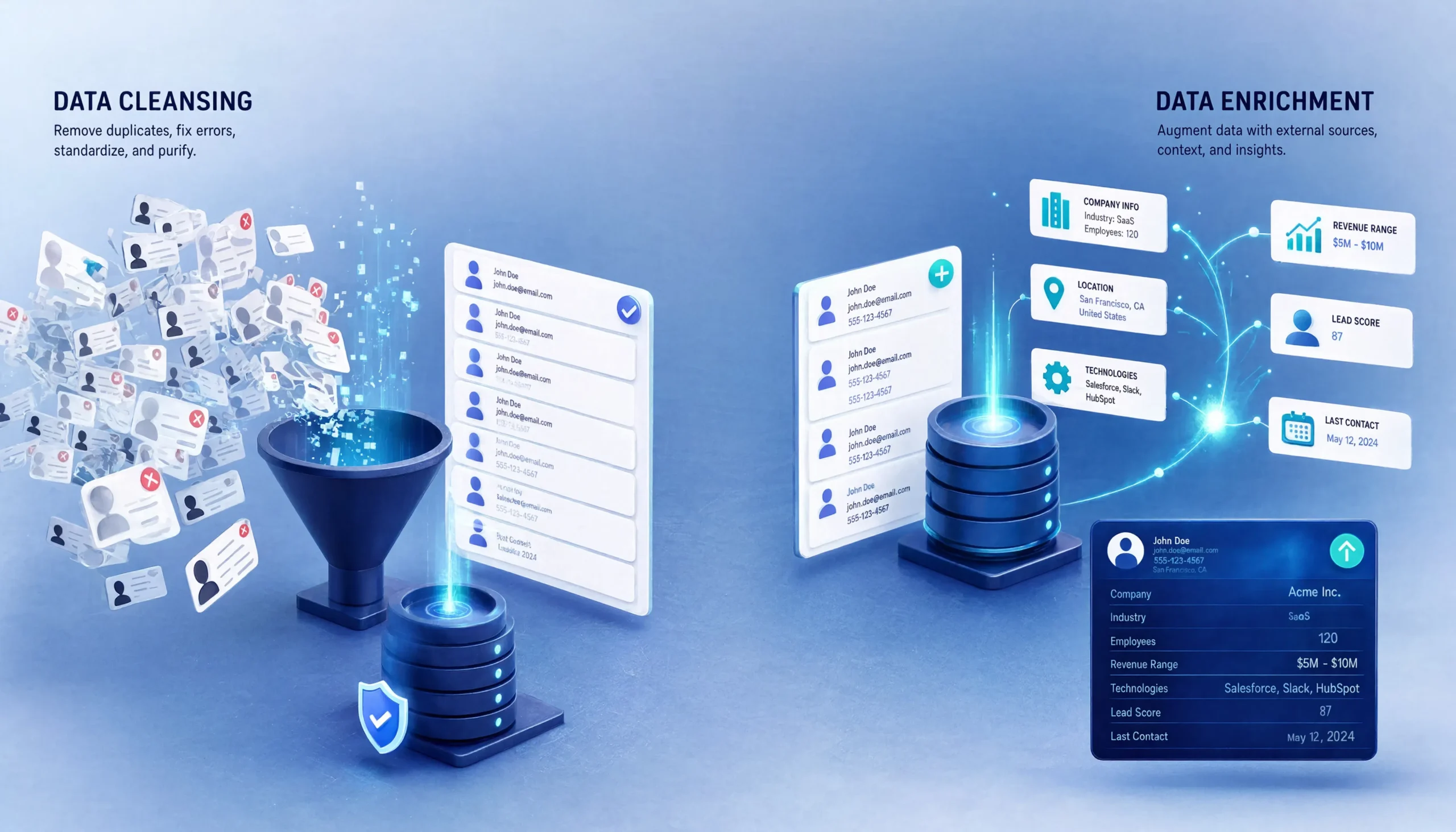
Data Cleansing vs Data Enrichment
Data Cleansing & Verification Why Data Enrichment Fails Without Clean CRM Data Last Updated: July 21, 2026 | Editorial Team Quick answer:

Data Cleansing for ABM Campaigns
Data Cleansing & Verification Why Clean Data Is the Foundation of Every ABM Campaign Last Updated: July 8, 2026 | Editorial Team
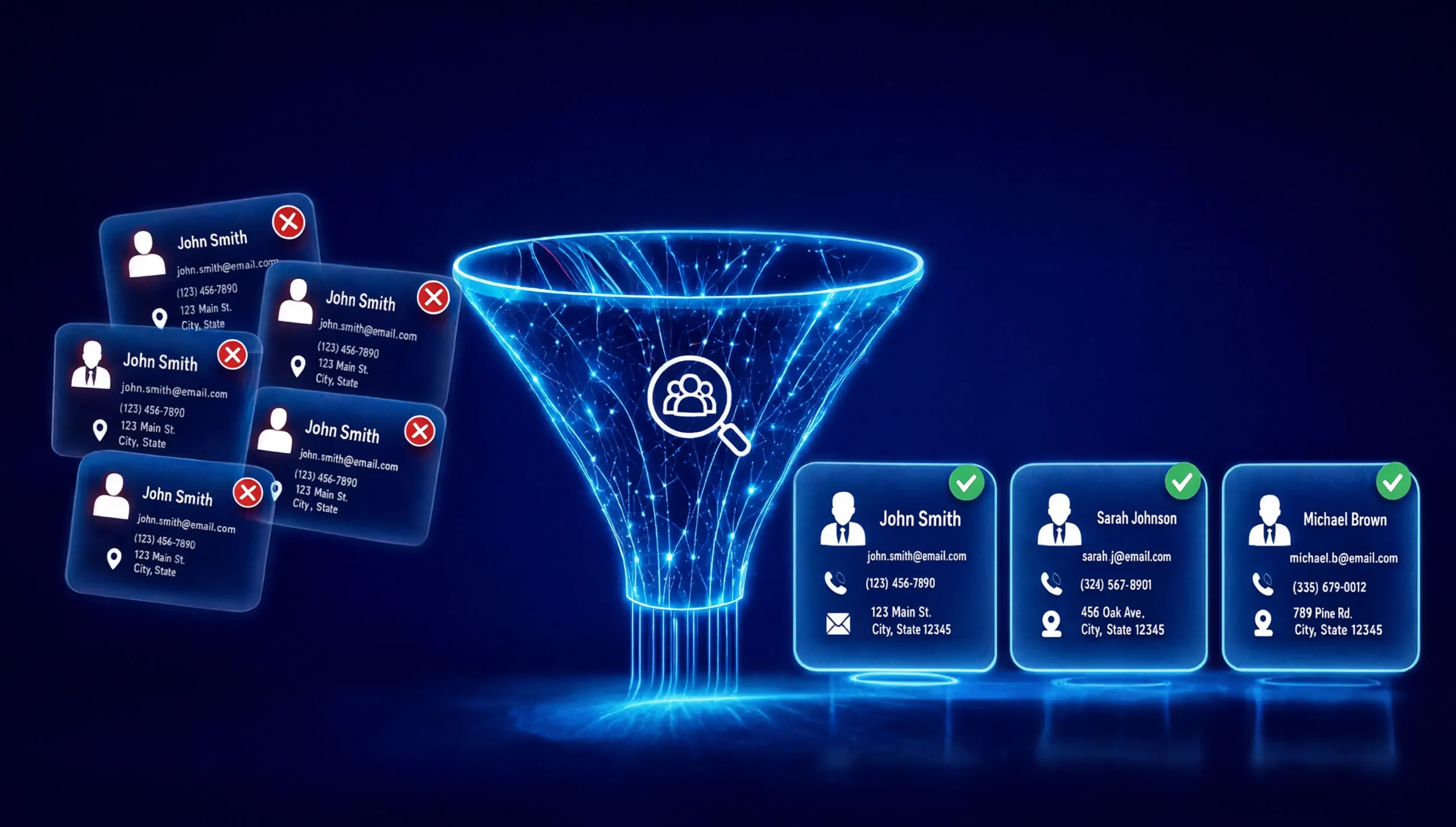
CRM Data Cleansing Service Providers
Data Cleansing & Verification Top CRM Data Cleansing Service Providers in 2026 Last Updated: July 6, 2026 | Editorial Team Quick answer:


